
Optimal Timing for Demolition Services
Timing for demolition services depends on various factors including weather conditions, project scope, and scheduling needs. Optimal periods typically avoid harsh weather seasons to ensure safety and efficiency.
Demolition projects are best scheduled during mild weather months to prevent delays caused by rain, snow, or extreme temperatures.
Early planning helps align demolition schedules with construction timelines, reducing downtime and ensuring smooth transitions.
Spring and fall often provide favorable conditions for demolition, with moderate temperatures and less severe weather disruptions.
Completing permits and inspections ahead of schedule can influence the timing, ensuring compliance and avoiding project delays.
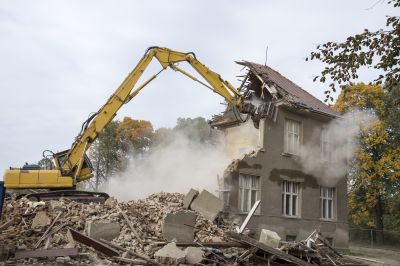
Heavy machinery preparing for a demolition project.
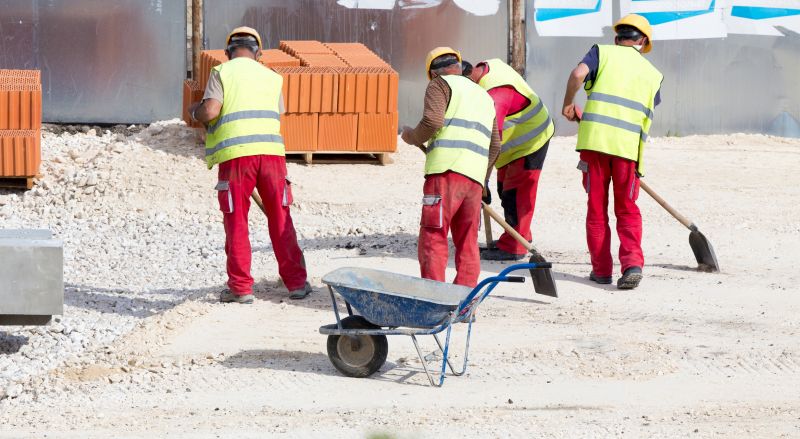
Workers clearing a site before demolition begins.

Explosive demolition in progress with safety measures.
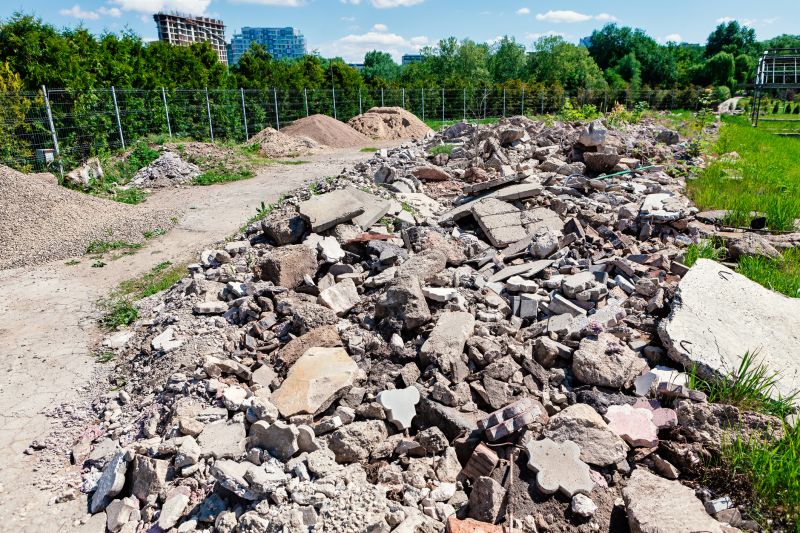
Cleared land ready for new construction.
Demolition services play a crucial role in preparing sites for new development. They involve careful planning and execution to ensure safety, efficiency, and minimal disruption to surrounding areas. Proper timing can reduce costs and prevent project delays, making scheduling a key component of successful demolition projects.
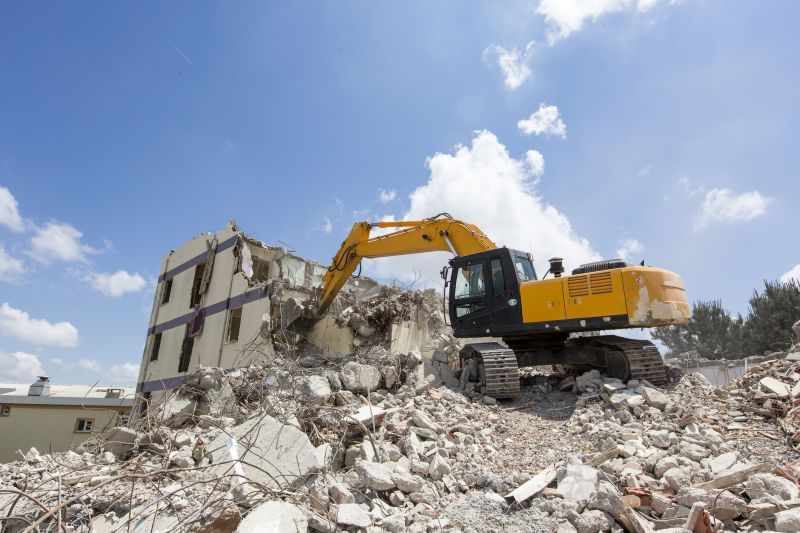
Excavators and wrecking balls used in demolition projects.

Workers utilizing safety gear during demolition.
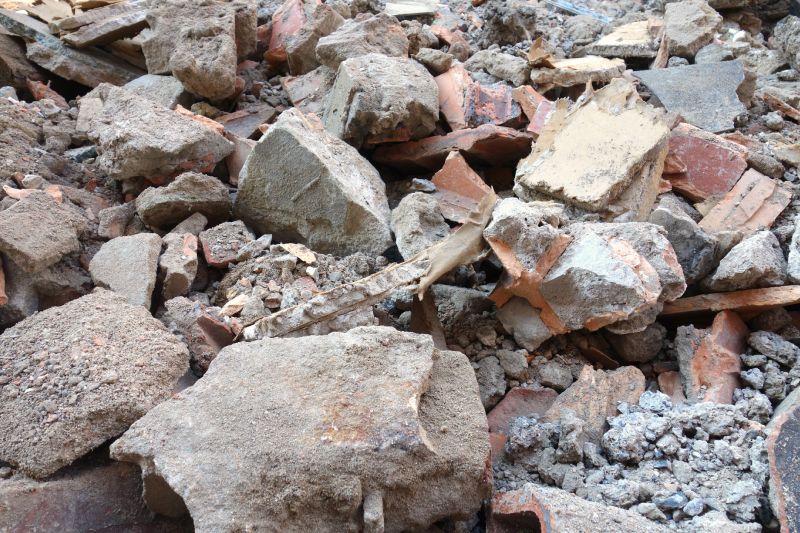
Efficient cleanup after demolition work.

Materials sorted for recycling post-demolition.
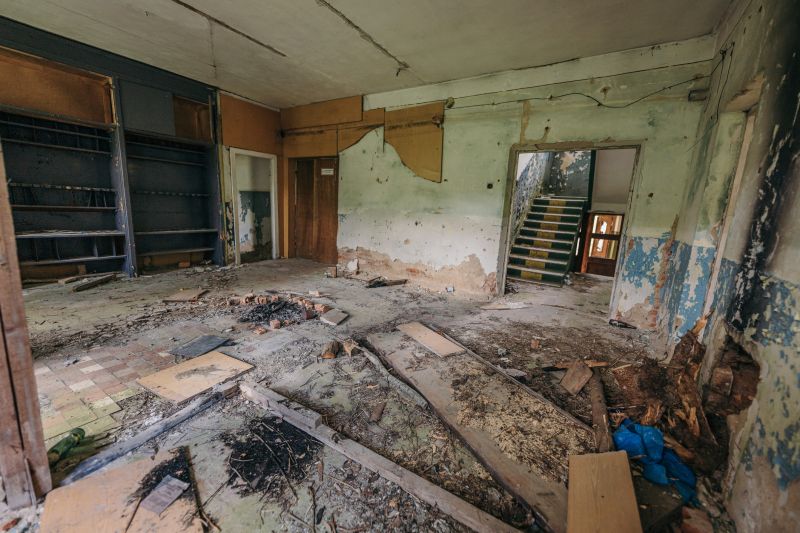
Ways to make Demolition Service work in tight or awkward layouts.

Popular materials for Demolition Service and why they hold up over time.

Simple add-ons that improve Demolition Service without blowing the budget.

High-end options that actually feel worth it for Demolition Service.
| Factor | Impact on Demolition Timing |
|---|---|
| Weather Conditions | Severe weather can delay or complicate demolition schedules. |
| Permitting Process | Pending permits may require planning around approval timelines. |
| Construction Schedule | Aligning demolition with subsequent construction phases is essential. |
| Seasonal Weather | Spring and fall typically offer optimal conditions. |
| Project Urgency | Urgent projects may require flexible scheduling regardless of season. |
| Site Accessibility | Accessibility can influence timing, especially in urban areas. |
| Regulatory Compliance | Ensuring all regulations are met can affect scheduling. |
| Resource Availability | Availability of equipment and personnel impacts timing. |
Planning demolition services during favorable weather and regulatory windows can optimize project timelines. Proper scheduling ensures safety, cost-effectiveness, and readiness for subsequent construction activities.

Team discussing project schedule and safety protocols.
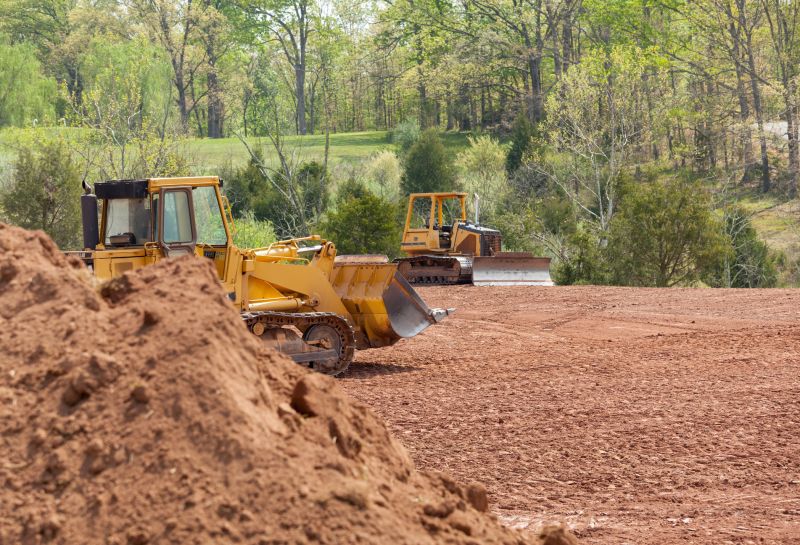
Preparing site for upcoming demolition work.
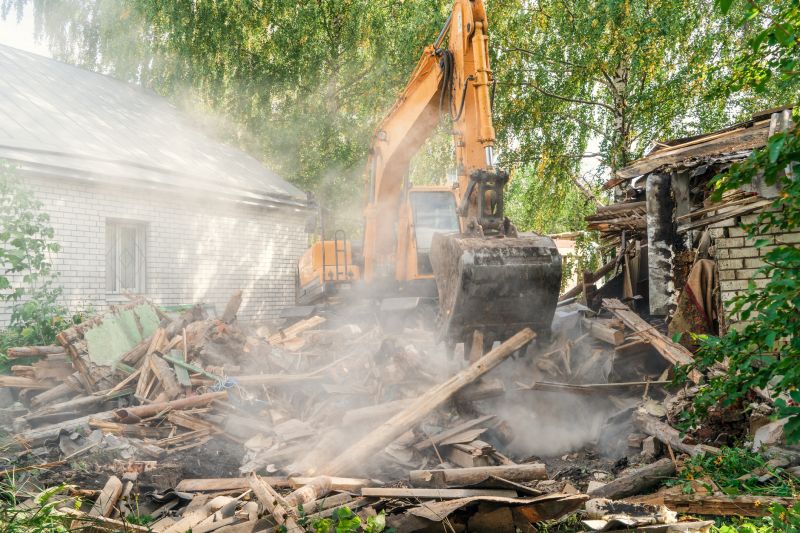
Heavy equipment ready for scheduled demolition.
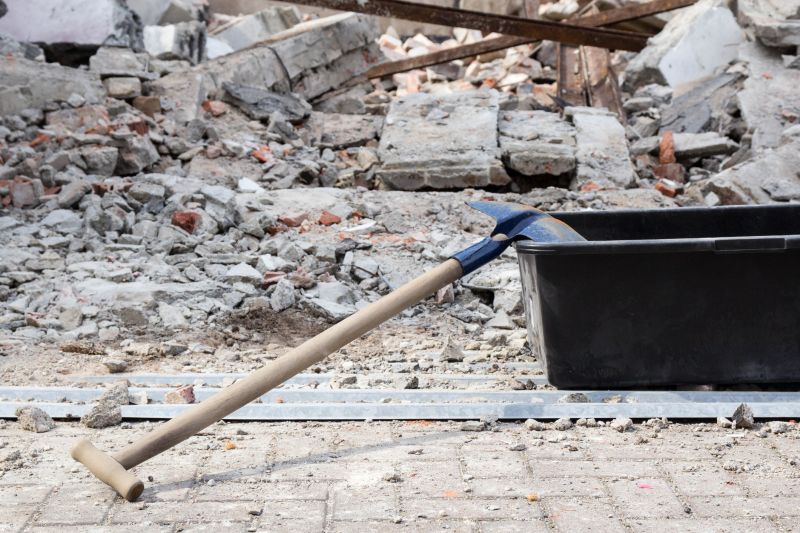
Land cleared and prepared for new development.
Interested in scheduling demolition services? Filling out the contact form can help coordinate timing to suit project needs and ensure a smooth process from start to finish.