
Ultimate Collection of Demolition Service Equipment
Browse a comprehensive selection of tools and machinery designed to meet the needs of professional demolition services.
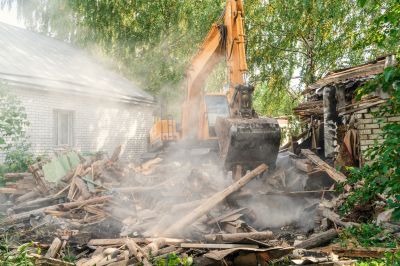 Demolition services in Plainfield, IL, require a diverse range of tools and equipment to handle various types of structures and materials. From small-scale interior demolitions to large building tear-downs, having the right products ensures safety, efficiency, and precision. Proper selection of demolition products can also help minimize debris, reduce labor time, and improve overall project outcomes.
Top Overall Option
Heavy-Duty Demolition Hammer
A versatile and powerful demolition hammer is often regarded as an essential tool for demolition projects. It combines high-impact force with durability, allowing users to break through concrete, brick, and other tough materials efficiently. Designed for both professional contractors and experienced DIYers, this tool offers multiple settings and attachments to adapt to various tasks. Its ergonomic design helps reduce fatigue during extended use, making it a reliable choice for diverse demolition needs.
Types of Products For Demolition Service
Hydraulic Breakers
Hydraulic breakers are attachment tools used with excavators to break concrete and rock efficiently, suitable for large-scale demolition projects.
Jackhammers
Handheld pneumatic or electric jackhammers are used for breaking up pavement, concrete, and masonry in smaller or more precise demolition tasks.
Rotary Cutters
Rotary cutters are attachments for excavators that can cut through metal, concrete, or asphalt, ideal for selective demolition.
Hydraulic Shears
Hydraulic shears are used for cutting through steel structures and rebar, facilitating the removal of structural components.
Concrete Saws
Concrete saws, including walk-behind and handheld models, are essential for precise cuts in concrete and asphalt surfaces.
Demolition Robots
Robotic demolition machines provide remote operation capabilities for hazardous or hard-to-reach areas, enhancing safety.
Pneumatic Chisels
Pneumatic chisels are used for chipping away at concrete and masonry, often in confined spaces.
Dust Suppression Systems
Systems designed to reduce dust during demolition work, improving air quality and safety on site.
Safety Gear
Protective helmets, gloves, goggles, and respirators are crucial for ensuring safety during demolition activities.
Dumpsters and Debris Containers
Large containers for collecting and transporting debris generated during demolition projects.
Hand Tools
Includes sledgehammers, pry bars, and crowbars for manual demolition and material removal.
Vibratory Plate Compactors
Used for compacting soil and debris after demolition to prepare the site for construction or landscaping.
Excavator Attachments
Various attachments like grapples, buckets, and rippers designed to enhance excavator functionality during demolition.
Scaffolding and Support Structures
Essential for providing safe access and support during structural demolition work.
Hydraulic Pumps
Provide power to hydraulic tools and attachments used in demolition projects.
Laser Distance Meters
Assist in precise measurements for demolition planning and execution.
Popular Choices
Widely used for their portability and ease of use in various demolition tasks, especially in confined spaces.
Popular for use with excavators, suitable for large-scale concrete and rock breaking.
Favored for their versatility in cutting concrete, asphalt, and masonry on-site.
Consistently essential for personal protection during demolition activities.
Increasingly popular for maintaining cleaner work environments and complying with safety standards.
Commonly chosen for their effectiveness in breaking up materials in various demolition scenarios.
Popular for their ability to efficiently cut through steel and reinforced concrete.
Versatile machinery favored for their maneuverability and power in tight spaces.
Frequently used for efficient debris removal and site cleanup.
Common hand tools for controlled removal of fixtures and materials.
Popular for preparing the ground after debris removal, especially in construction sites.
Used for breaking up tough materials and ripping through soil or rock.
Increasingly sought after for ensuring safety during elevated work.
Help ensure precise demolition cuts and measurements.
Important for working safely in low-light conditions or at night.
Used to reduce noise pollution during demolition activities.
Understanding the different products available is essential for contractors and DIY enthusiasts alike. Heavy-duty equipment such as jackhammers and demolition hammers are commonly used for breaking through concrete and masonry, while specialized tools like rotary cutters and hydraulic shears are employed for more precise or large-scale tasks. Safety gear, including protective helmets, gloves, and eye protection, complements these tools to ensure worker safety.
In addition to handheld tools, there are larger machinery options like mini excavators with demolition attachments, which can be highly effective for site clearance and structural removal. When selecting products, considerations such as the type of material to be demolished, the scale of the project, and the available workspace are crucial. Proper maintenance and handling of these tools also contribute significantly to project success and safety.
Whether working on a residential renovation or a commercial teardown, choosing the right demolition products is a key step. It helps streamline the process, reduces potential hazards, and ensures the work is completed efficiently. Investing in quality, versatile tools suited to the specific demands of each project can make a noticeable difference in the overall experience and results.
Key Buying Considerations
- Type of material to be demolished (concrete, steel, masonry, etc.)
- Scale and scope of the project to determine tool capacity and durability
- Available workspace and access limitations
- Power source preferences (electric, pneumatic, hydraulic, or gas-powered)
- Frequency of use and long-term durability requirements
- Safety features and ergonomic design to reduce operator fatigue
- Compatibility of attachments with existing machinery
- Ease of maintenance and availability of replacement parts
- Budget constraints and cost-effectiveness of tools
- Environmental factors such as dust control and noise levels
- Training or experience required to operate specialized equipment
- Compliance with local safety regulations and standards
- Size and weight of equipment for portability and storage
- Versatility and multi-functionality of tools for different tasks
- Availability of warranty and customer support services